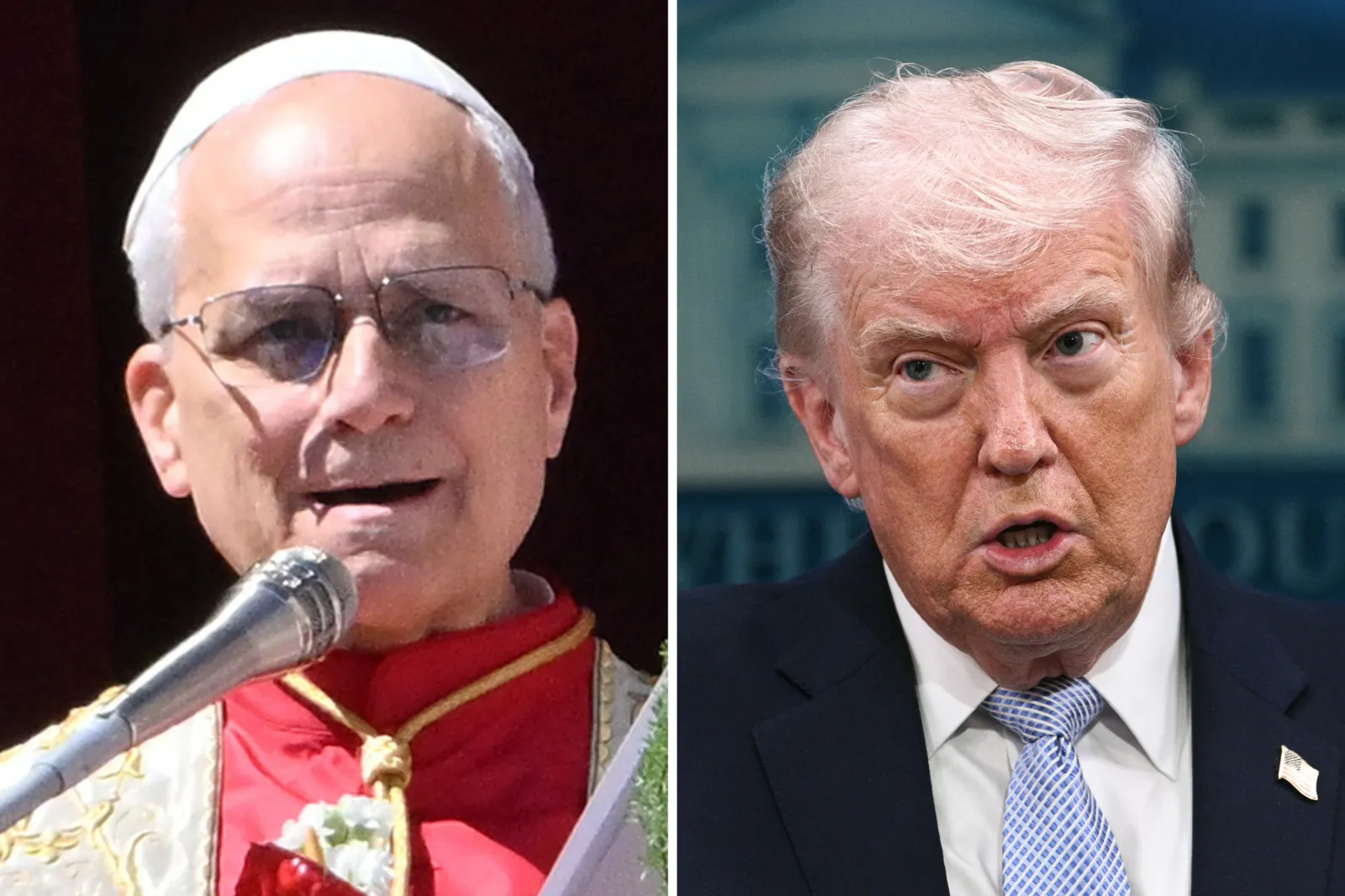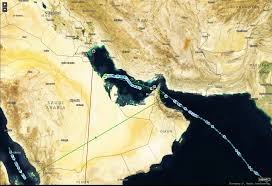
The United States has begun enforcing a naval blockade of the Strait of Hormuz starting April 13, 2026, after peace talks with Iran collapsed. President Donald Trump announced the move following marathon negotiations that ended without agreement, with the U.S. Navy blocking all maritime traffic entering or exiting Iranian ports from 10 a.m. ET (1400 GMT).
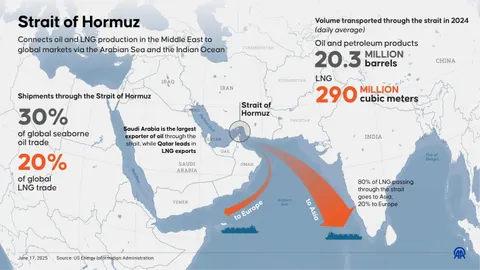
This escalation threatens to disrupt 20% of the world’s oil supply and has already caused oil prices to spike sharply.
Why the US Imposed the Strait of Hormuz Blockade
After more than 21 hours of negotiations in Islamabad, U.S. and Iranian officials failed to reach a deal. Vice President JD Vance led the U.S. side, while Iran described American demands as “excessive.”
President Trump stated the U.S. will not allow Iran to possess a nuclear weapon and ordered CENTCOM forces to implement the blockade immediately. Iran responded by warning that any military vessels approaching the strait would face consequences.
What Is the Strait of Hormuz and Why Does It Matter?
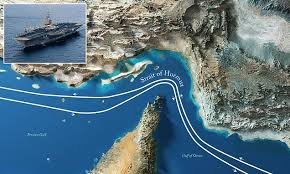
The Strait of Hormuz is a narrow waterway between the Persian Gulf and the Gulf of Oman. It is the world’s most critical chokepoint for oil transport:
- Roughly 21 million barrels of oil per day pass through it (about 20-21% of global oil consumption).
- Major exporters including Saudi Arabia, Iraq, UAE, Kuwait, and Iran rely on this route.
A full blockade could lead to severe supply disruptions, higher energy prices worldwide, and potential military confrontation.
Immediate Global Reactions and Oil Market Impact
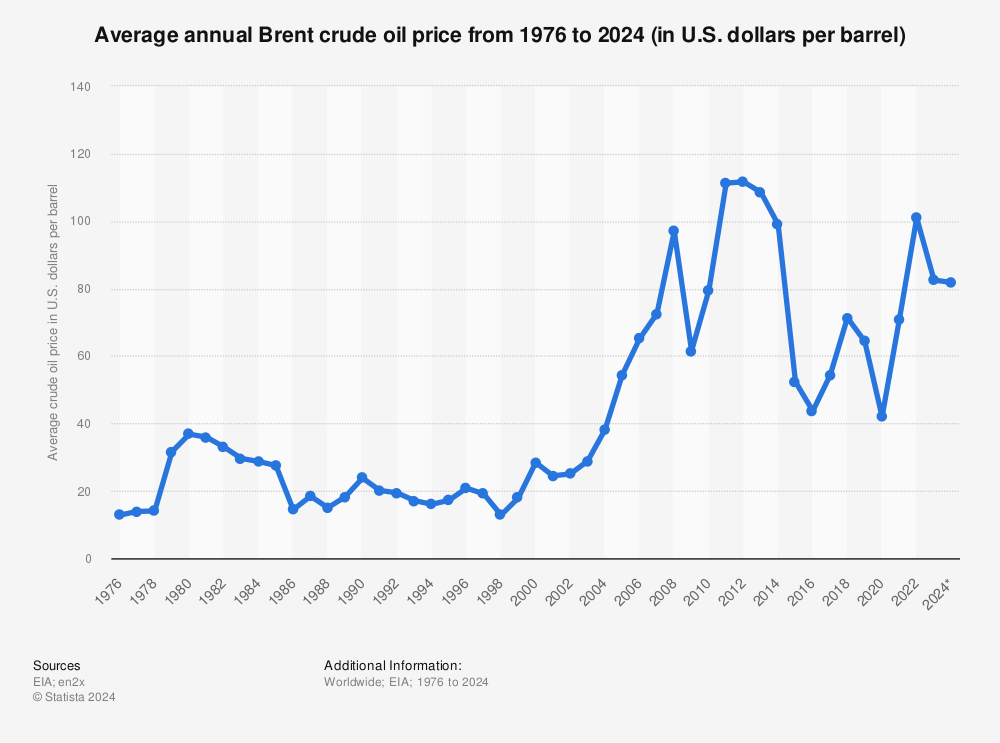
Oil prices surged following the announcement, with Brent crude jumping significantly in early trading on April 13. Analysts warn that prolonged disruption could push prices well above $100 per barrel and trigger broader inflation.
- Iran’s Response: Iranian state media called the blockade an act of aggression and threatened retaliation.
- International Concern: European leaders and China (a major buyer of Iranian oil) expressed alarm over potential supply shocks.
- U.S. Position: President Trump emphasized the move is designed to pressure Iran back to negotiations and prevent nuclear development.
Historical Context of Hormuz Tensions
The Strait of Hormuz has long been a flashpoint:
- Iran has previously threatened to close the strait during tensions.
- Past incidents include the 2019 tanker attacks and the 2020 killing of Qasem Soleimani.
- A successful long-term blockade would be unprecedented in modern times and could escalate into direct conflict.
Experts note that while the U.S. Navy has the capability to enforce the blockade, the economic and military risks are extremely high for all parties involved.
What Happens Next: Potential Scenarios
Three main scenarios are being discussed by analysts:
- Short-term pressure — Iran returns to talks quickly to avoid economic collapse.
- Prolonged standoff — Leading to higher global energy prices and possible military incidents.
- Escalation — Risk of direct naval confrontations or attacks on shipping.
The IMF and World Bank Spring Meetings (starting this week in Washington) will likely address the economic fallout.
Important Highlight: Economic Stakes Any sustained disruption could add billions to global energy costs and slow economic growth in import-dependent nations.
Final Thoughts on This Developing Crisis
The U.S. decision to blockade the Strait of Hormuz marks a significant escalation in U.S.-Iran relations. While intended to bring Iran back to the negotiating table, the move carries enormous risks for global energy markets and regional stability.
The situation remains fluid. Markets, governments, and citizens worldwide will be watching closely in the coming hours and days.