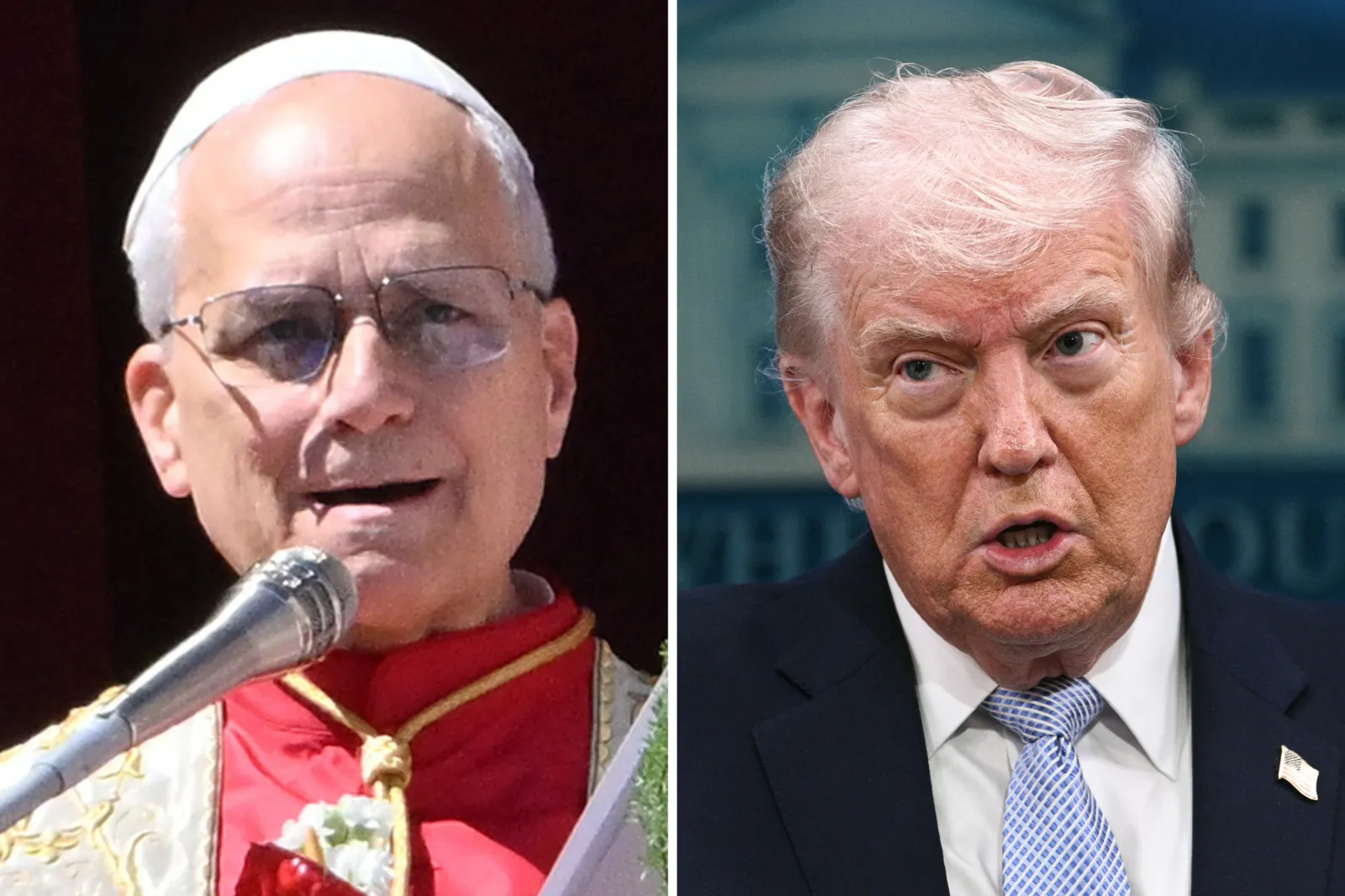
President Donald Trump has sharply criticized Pope Leo XIV, the first American-born Pope, calling him “weak on crime” and “terrible” on foreign policy. The remarks, made on April 12–13, 2026, mark a dramatic shift from Trump’s initial praise when Cardinal Robert Prevost was elected Pope Leo XIV in May 2025.
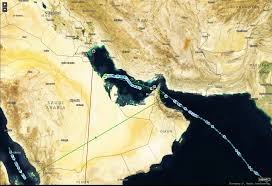
The public clash stems from Pope Leo’s repeated calls for peace and criticism of U.S. military actions in the Iran conflict, including Trump’s recent threats and the ongoing Strait of Hormuz blockade.
Background: From Praise to Public Feud
When Pope Leo XIV was elected in May 2025, President Trump posted enthusiastically on Truth Social, calling it “a great honor” for the United States to have the first American Pope. He expressed excitement about potentially meeting him.
Less than a year later, the relationship has soured. Pope Leo has consistently urged dialogue and de-escalation in the Middle East, condemned threats of violence, and spoken against the “delusion of omnipotence” fueling conflict. He has also criticized policies that he believes harm the vulnerable.
Trump responded with strong language, accusing the Pope of being “weak,” “liberal,” and catering to the “Radical Left.” In comments to reporters and on social media, Trump said he is “not a big fan” of Pope Leo and questioned his stance on crime and foreign policy.
What Exactly Did Trump Say About Pope Leo?
In a Truth Social post and follow-up comments on April 12–13, 2026, Trump stated:
- “Pope Leo is WEAK on Crime, and terrible for Foreign Policy.”
- “I don’t want a Pope who thinks it’s OK for Iran to have a Nuclear Weapon.”
- “I’m not a big fan of Pope Leo. He’s a very liberal person.”
- He also suggested the Pope should “stop catering to the Radical Left.”
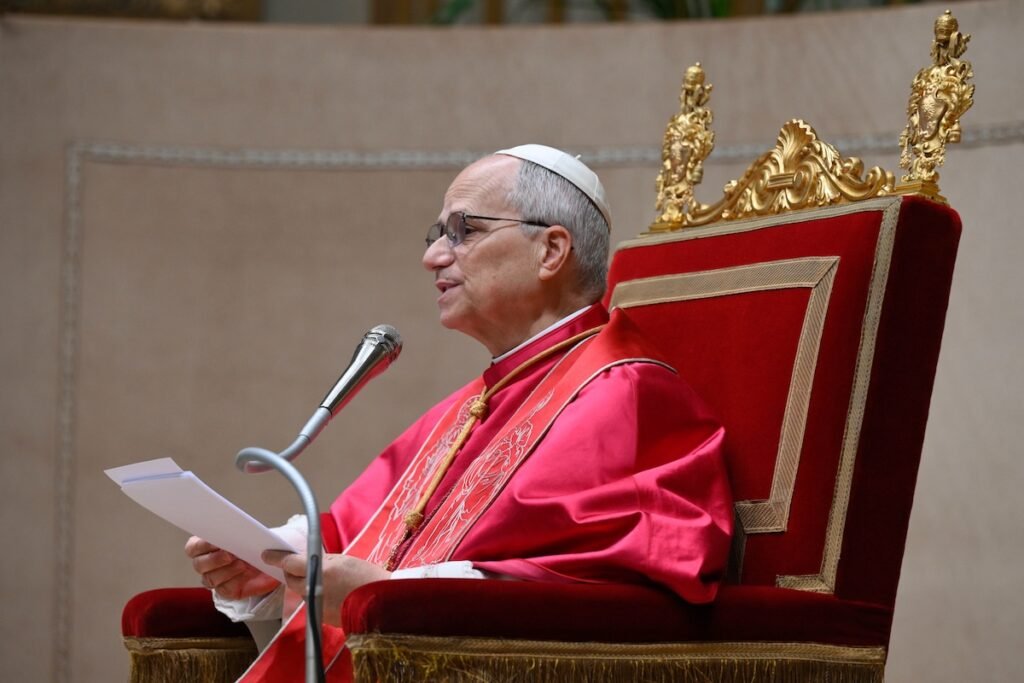
Trump’s criticism came after Pope Leo described certain threats against Iran as “truly unacceptable” and urged world leaders to pursue dialogue rather than escalation. The Pope has also said God “does not listen to the prayers of those who wage war” with “hands full of blood” — remarks widely interpreted as a rebuke of militaristic approaches.
Key Context of the Dispute
The tension intensified over the U.S.-Iran conflict and the recent naval blockade of the Strait of Hormuz. Pope Leo has advocated for ceasefires, protection of civilians, and peaceful resolutions. Reports also emerged of a tense January 2026 meeting where U.S. officials allegedly pressured the Vatican to align with American foreign policy.
Pope Leo XIV’s Position and Background
Pope Leo XIV (born Robert Francis Prevost in Chicago) is the first U.S.-born pontiff. Since his election, he has emphasized peace, migration, and care for the poor. He has criticized excessive use of force and warned against leaders who justify war in religious terms.
His Easter and Palm Sunday messages in 2026 included strong appeals for peace, which some analysts see as indirect but clear responses to Trump administration policies. The Vatican has also reportedly canceled or postponed a planned U.S. visit by the Pope during Trump’s term.
Important Highlight: Historic First As the first American Pope, Leo XIV’s criticism of a sitting U.S. President carries unique symbolic weight and has divided opinions among U.S. Catholics.
Image Placement (Pope Background)
Suggested Image Description:
Alt Text: Pope Leo XIV first American pope at St. Peter’s Basilica
Caption: Pope Leo XIV, born in Chicago, became the first American pontiff in 2025.
Public and Catholic Reactions
The feud has sparked intense debate:
- Many U.S. Catholics express support for Pope Leo’s moral stance on peace and humanitarian issues.
- Trump supporters view the Pope’s comments as interference in U.S. foreign policy.
- Polls and reports suggest declining support for Trump among some Catholic voters, while approval for Pope Leo remains high.
The exchange highlights broader tensions between religious leaders advocating for peace and political leaders prioritizing strength and national security.
Image Placement (Reactions Section)
Suggested Image Description: Social media reactions or split screen of Trump and Pope Leo posts.
Alt Text: Public reactions to Trump criticizing Pope Leo XIV 2026
Caption: The Trump-Pope Leo exchange has dominated social media and news headlines.
What This Means Moving Forward
This public rift between the U.S. President and the Pope is unusual in modern U.S.-Vatican relations. It raises questions about diplomacy, the role of faith in politics, and how the first American Pope navigates criticism of U.S. policy.
As the Iran situation and Strait of Hormuz blockade continue to evolve, further statements from both sides are expected. The Vatican has emphasized dialogue and peace, while the White House maintains its hardline approach.
Image Placement (Future Outlook)
Suggested Image Description: Vatican and White House symbols or flags side by side.
Alt Text: Tension between Vatican and Trump administration 2026
Caption: The public disagreement between President Trump and Pope Leo XIV reflects deeper differences on war, peace, and foreign policy.
Final Thoughts on the Trump-Pope Leo Clash
President Trump’s sharp criticism of Pope Leo XIV represents a significant shift from his initial praise of the first American Pope. The disagreement centers on approaches to the Iran conflict, nuclear issues, and the role of military power versus dialogue.
As both figures hold enormous global influence, their public exchange will continue to draw attention from Catholics, political observers, and international leaders alike.